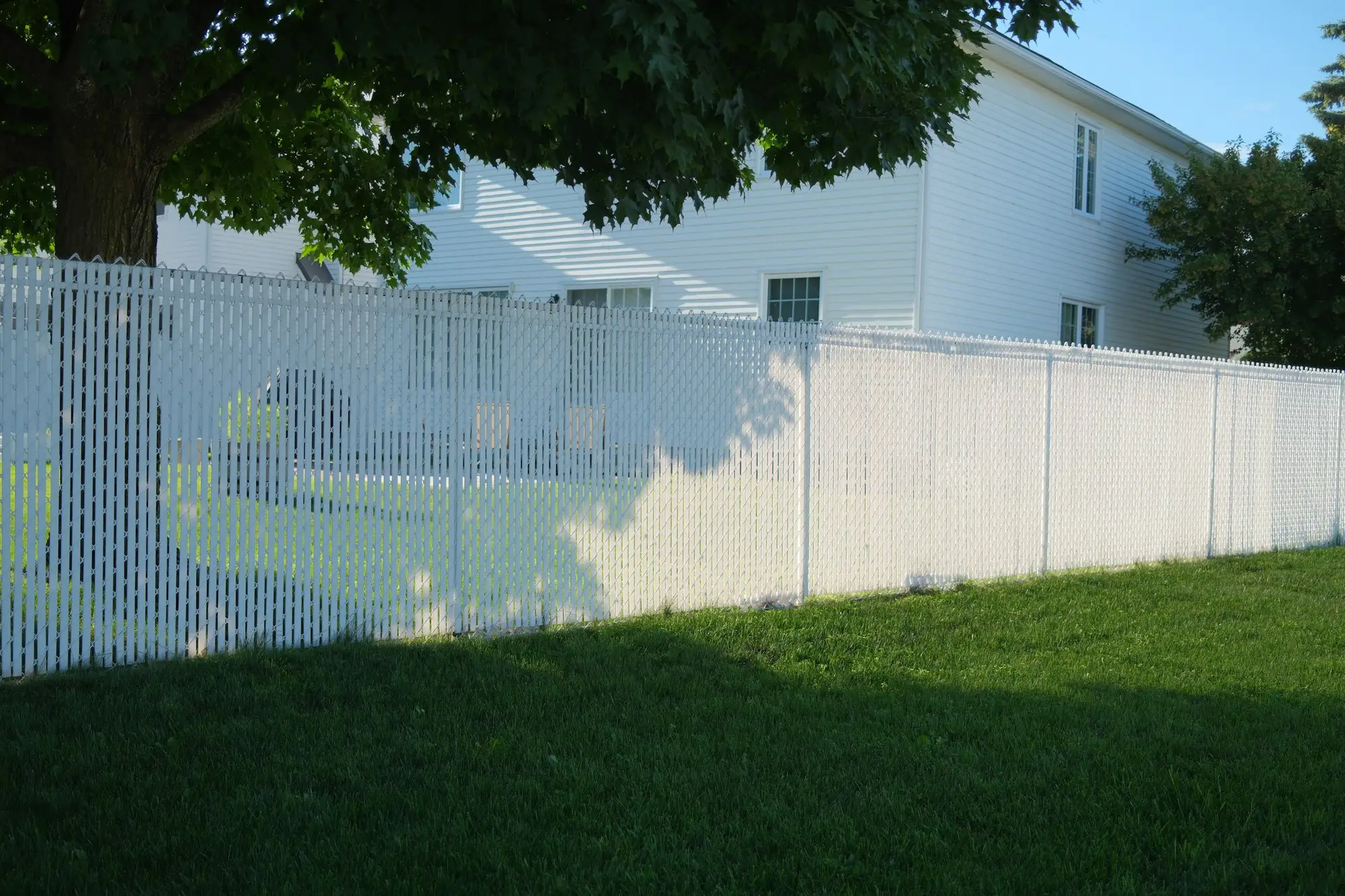
Vinyl: the fence you never have to paint.
Vinyl Fence Installation in Northern NJ
Benefits of vinyl fencing
Vinyl fencing keeps its colour and shape without staining, sealing, or painting. A rinse with the hose is usually all it needs. It is a popular choice for privacy around patios and pools, and for crisp picket fences out front.
Quality varies between products, so we look at wall thickness, rail reinforcement, and post size — the things that decide whether a vinyl fence stays straight in wind and heavy snow.

What's included
Types of vinyl fences
Privacy panels
Solid tongue-and-groove infill for full screening around yards and patios.
Semi-privacy and lattice
Spaced boards or lattice tops that soften the look and let air through.
Picket styles
Classic and contemporary pickets for front yards and gardens.
Matching gates
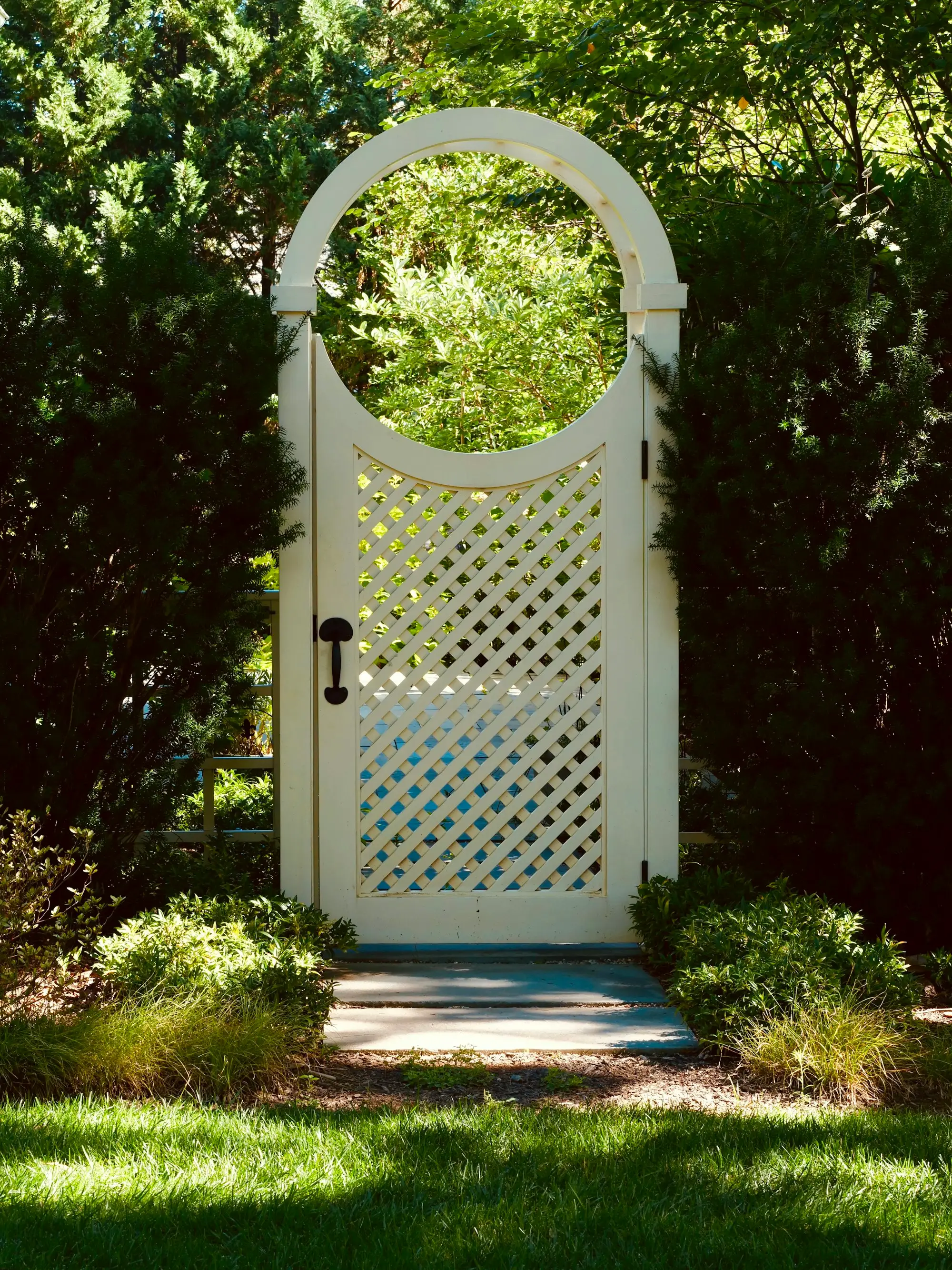
Walk and drive gates with reinforced frames and self-closing options.
Before you decide
Privacy and picket fence options
Colour
White is classic; tan, grey, and wood-grain textures blend into landscaping.
Wind exposure
Solid panels catch wind. Exposed lots may need heavier posts or semi-privacy styles.
Pool use
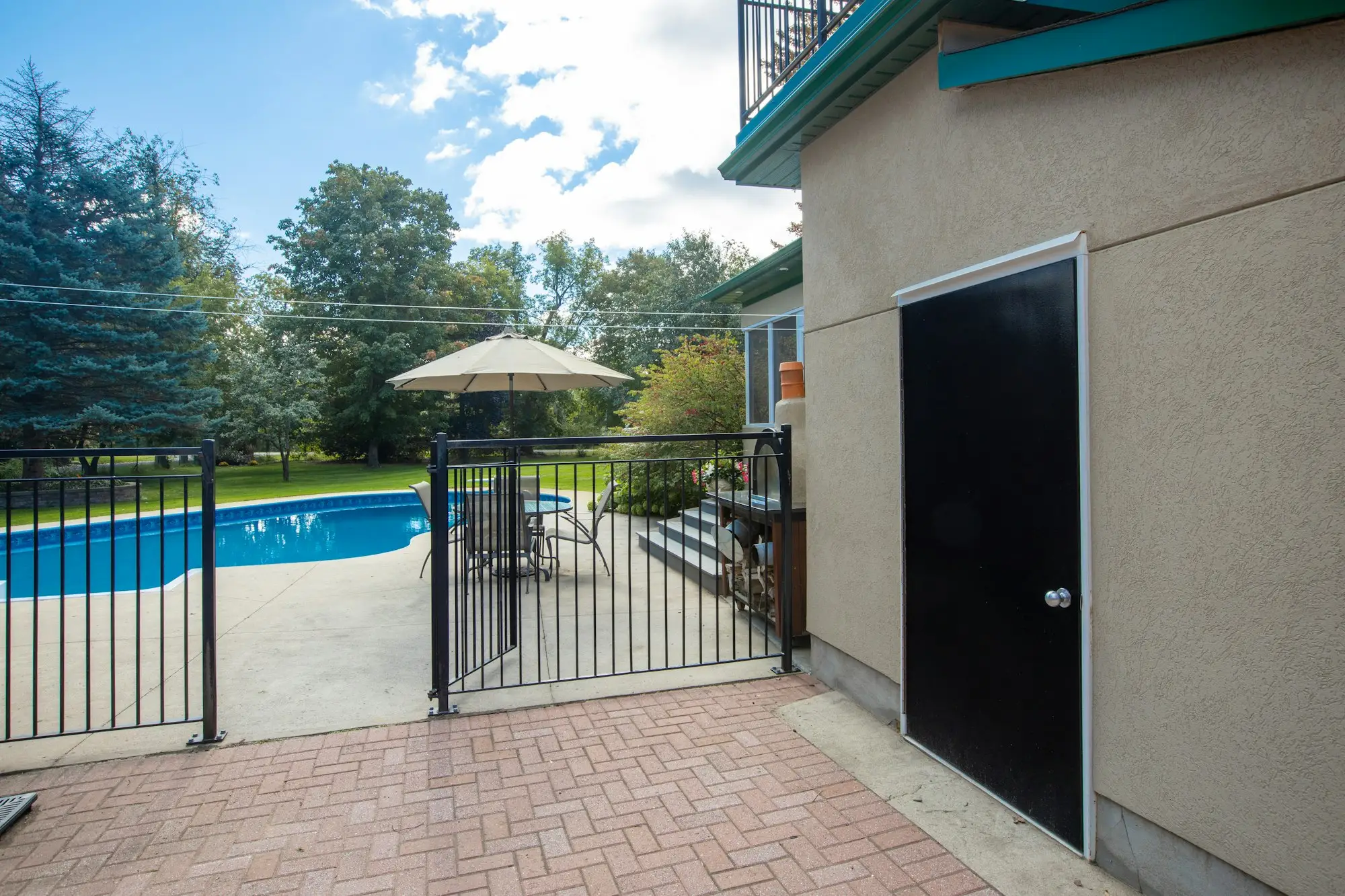
Some vinyl styles meet pool barrier requirements when paired with the right gate hardware.
Vinyl fence installation process
We confirm the fence line with you, request a utility mark-out, and set posts below the frost line in concrete so panels stay level through freeze-thaw cycles. Rails are reinforced where wind exposure calls for it, and gates are hung on posts sized for their width.
Comparing materials? Read vinyl vs. wood fencing, or see how vinyl is used for privacy fencing and pool fencing.
Projects
Project examples
FAQ
Vinyl fencing FAQs
Quality vinyl is formulated with UV inhibitors to resist yellowing. Lower-grade products can discolour, which is one reason we look closely at what goes into the fence we install.

Schedule a fence installation consultation
Share a few details and we will arrange a time to see the property. The more you tell us, the more useful our first visit will be.
What happens next
- 1We review your request and contact you to schedule a visit.
- 2We inspect, measure, and talk through your options on site.
- 3You receive a written estimate with scope, materials, and timing.