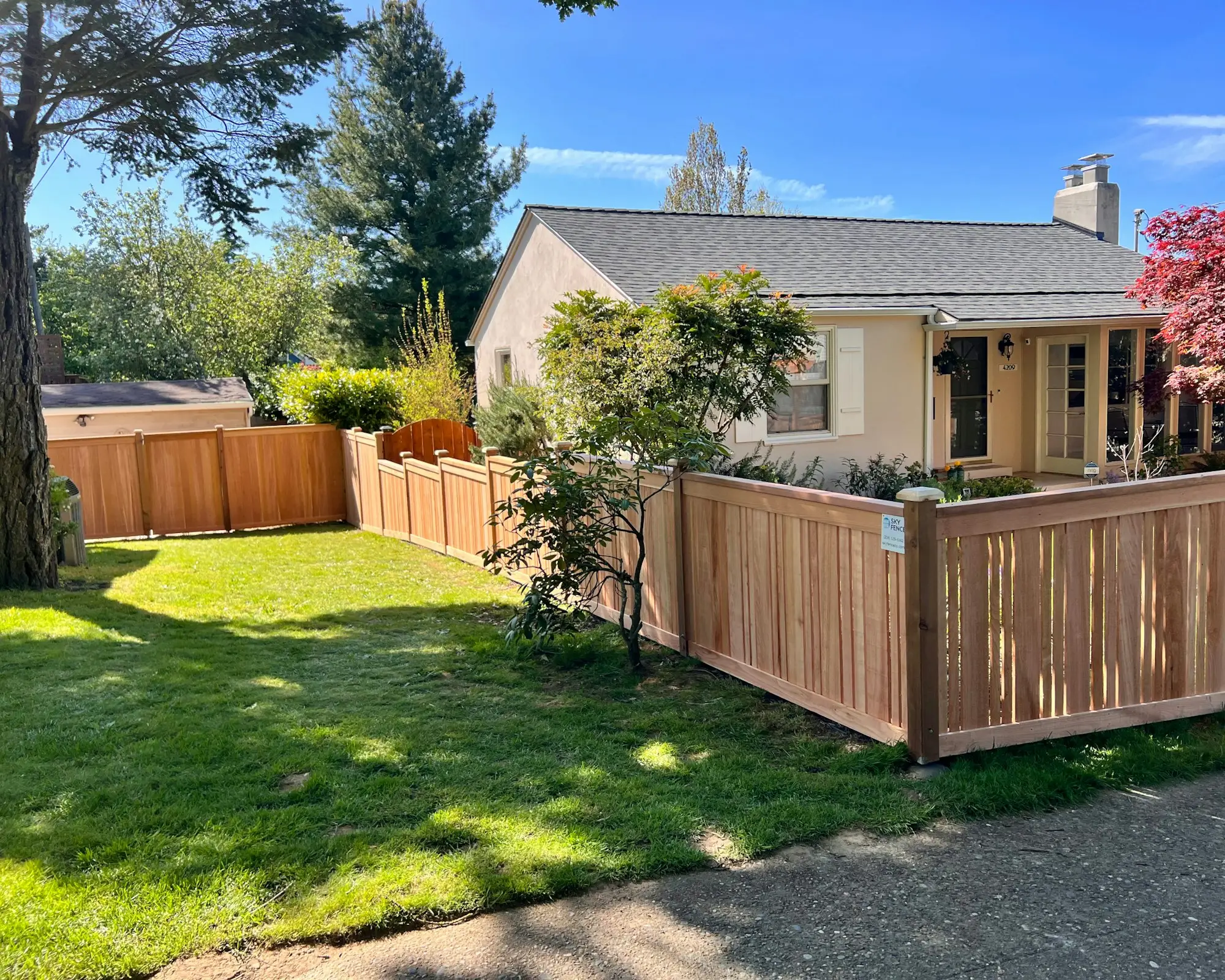
Wood brings warmth no other fence can.
Wood Fence Installation in Northern NJ
Benefits of wood fencing
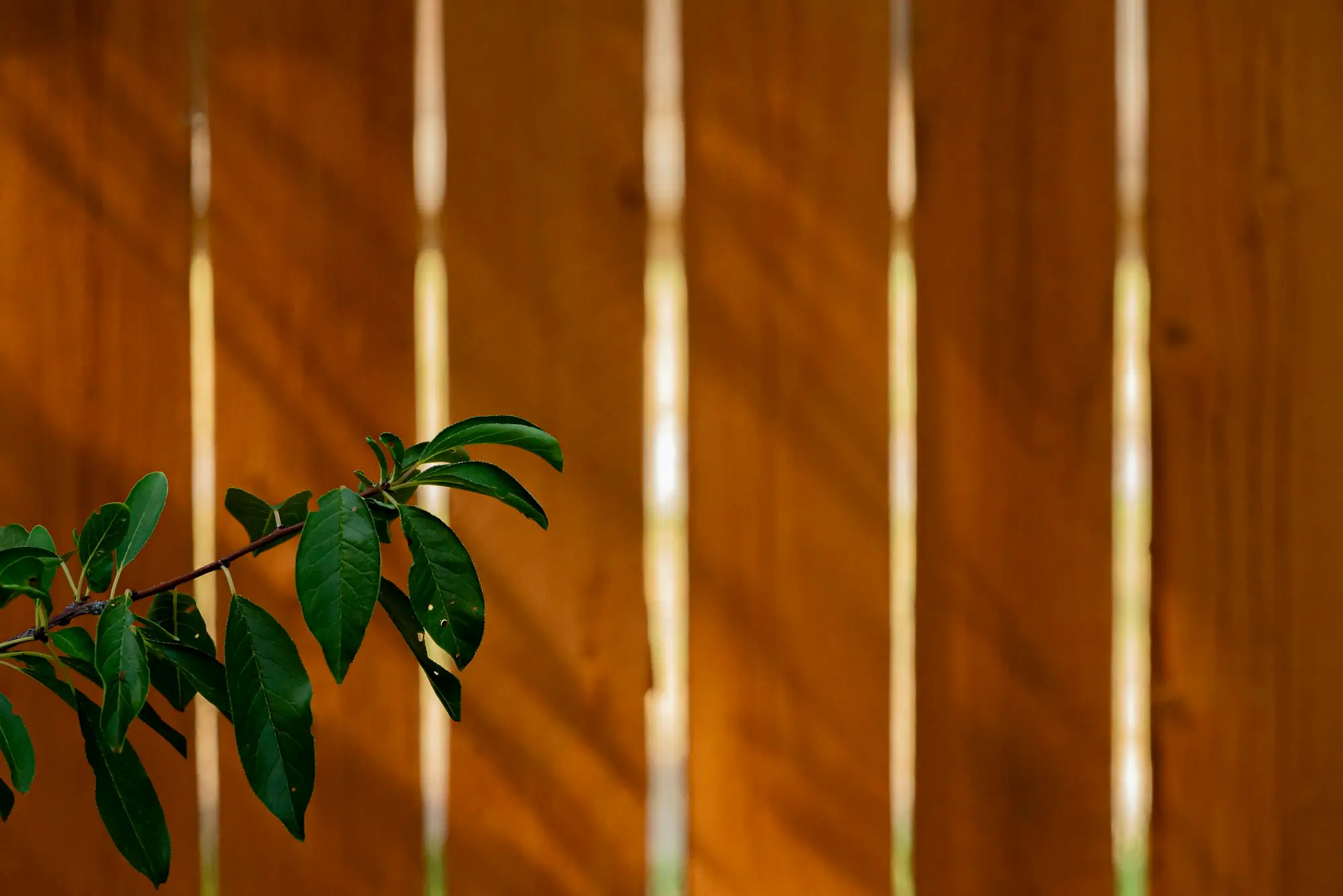
Natural wood settles into a landscape in a way manufactured materials do not. Cedar weathers to a soft silver if left alone, or can be stained to hold its warm colour. Pressure-treated pine is sturdy and economical, and takes stain well once it has dried.
Board-on-board, shadowbox, stockade, horizontal slat, picket — wood is also the most flexible material for custom designs, including fences that need to step down a sloped yard or wrap around an existing tree.
What's included
Wood fence designs
Privacy styles
Board-on-board and stockade fences for full screening.
Decorative styles
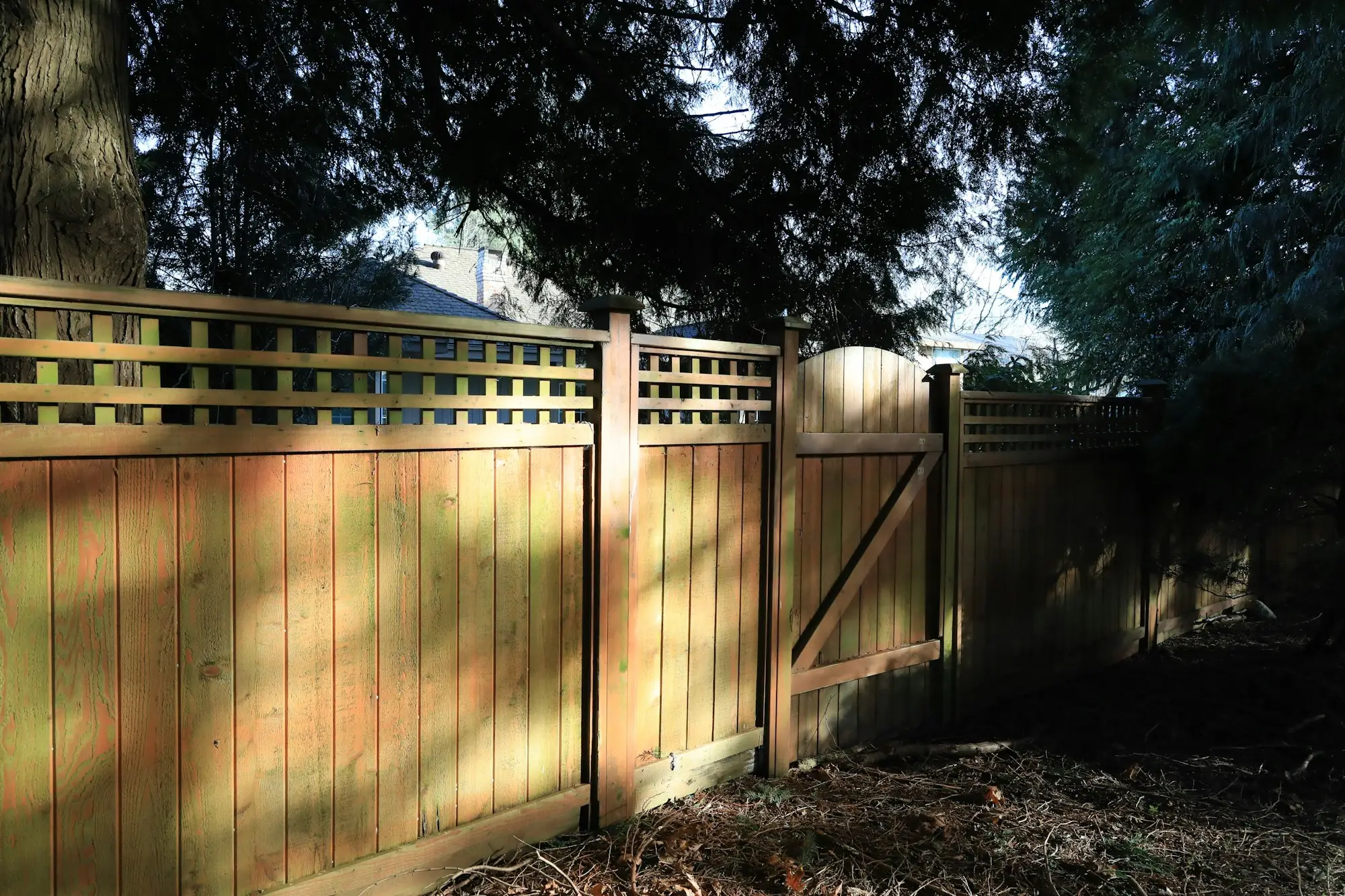
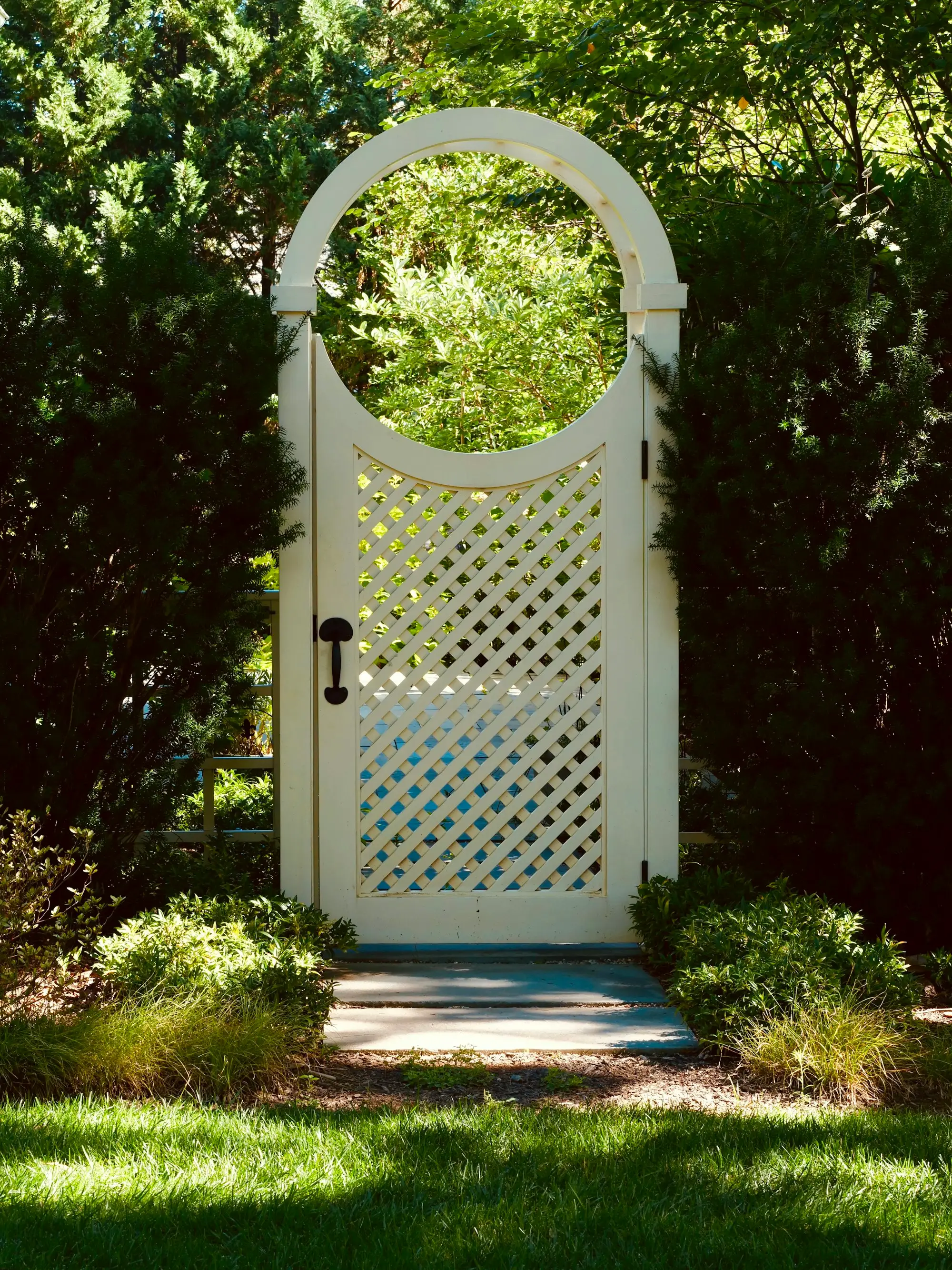
Shadowbox, lattice-top, picket, and horizontal slat designs.
Post protection
Ground-contact posts and footings detailed to shed water away from the wood.
Finishing guidance
When and how to seal or stain, so the fence ages the way you want it to.
Before you decide
Cedar and wood fence options
Cedar or treated pine
Cedar is lighter, more stable, and naturally rot-resistant; treated pine costs less and is very strong.
Maintenance
Expect to clean and re-seal every few years to slow greying and checking.
Good side out
Many towns require the finished side to face the neighbour. Board-on-board looks good on both sides.
Installation and maintenance
A wood fence lasts longest when water drains away from its posts. We set posts below the frost line with gravel at the base, and keep boards just above the soil so they can dry between rains.
After installation, clean the fence and apply a penetrating sealer or stain every few years to slow greying and checking. Our step-by-step guide covers how to maintain a wood privacy fence.
Projects
Project examples
FAQ
Wood fencing FAQs
Cedar can usually be stained soon after installation. Pressure-treated wood needs to dry first — often several weeks to a few months, depending on weather.
Schedule a fence installation consultation
Share a few details and we will arrange a time to see the property. The more you tell us, the more useful our first visit will be.
What happens next
- 1We review your request and contact you to schedule a visit.
- 2We inspect, measure, and talk through your options on site.
- 3You receive a written estimate with scope, materials, and timing.