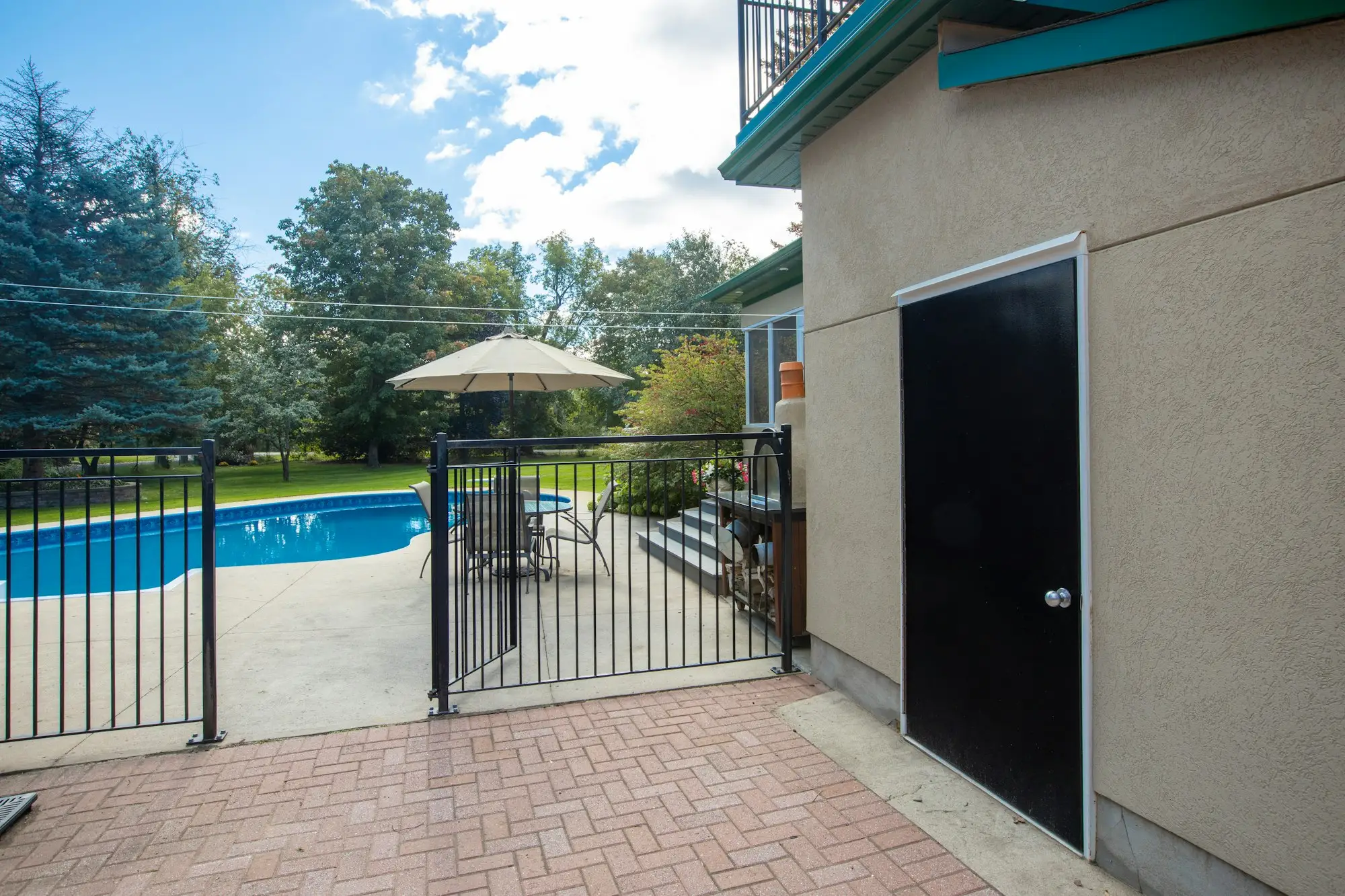
Safety first. Then the view.
Pool Fence Installation in Northern NJ
Pool safety and barrier requirements
A pool fence has one non-negotiable job: keeping young children out of the water when no adult is watching. Pool barrier rules cover height, gaps, climbable footholds, and — critically — gates that close and latch on their own.
We lay out every pool fence with those rules in mind and confirm the specific requirements with your town's construction office. Then we choose a style that keeps the yard open and inviting, often aluminum or a semi-private vinyl.

What's included
Our pool fence installation process
Barrier layout
Fence lines that fully enclose the pool, including house walls and doors where applicable.
Code-minded design
Height, picket spacing, and bottom gap chosen with pool barrier requirements in mind.
Self-closing gates
Gates that swing away from the pool, close on their own, and latch out of a child's reach.
Inspection support
We install to the approved plan and help with any items your inspector notes.
Before you decide
Gates, latches and local rules
Check local rules
Your town's construction official has the final word. Above-ground pools have their own requirements.
Climbability
Horizontal rails on the outside can become a ladder. Rail placement matters.
Gate hardware
Test the gate often. Hinges and latches need adjusting as a fence settles.
Pool fence materials
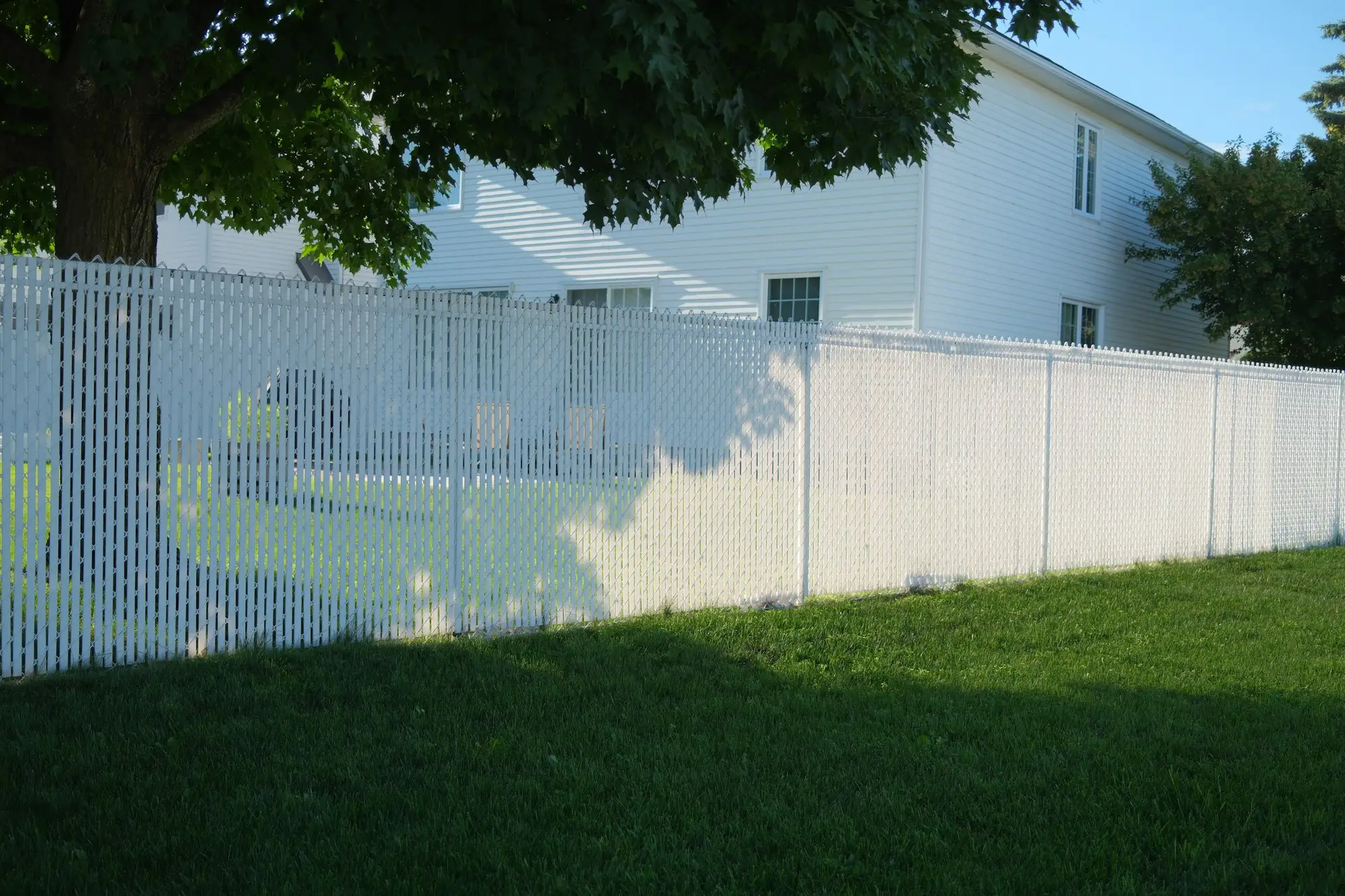
Aluminum fencing is the most popular pool barrier because it stays open and rust-free. Some vinyl fencing styles also work when the layout avoids climbable rails, and chain link can comply when the mesh size is right.
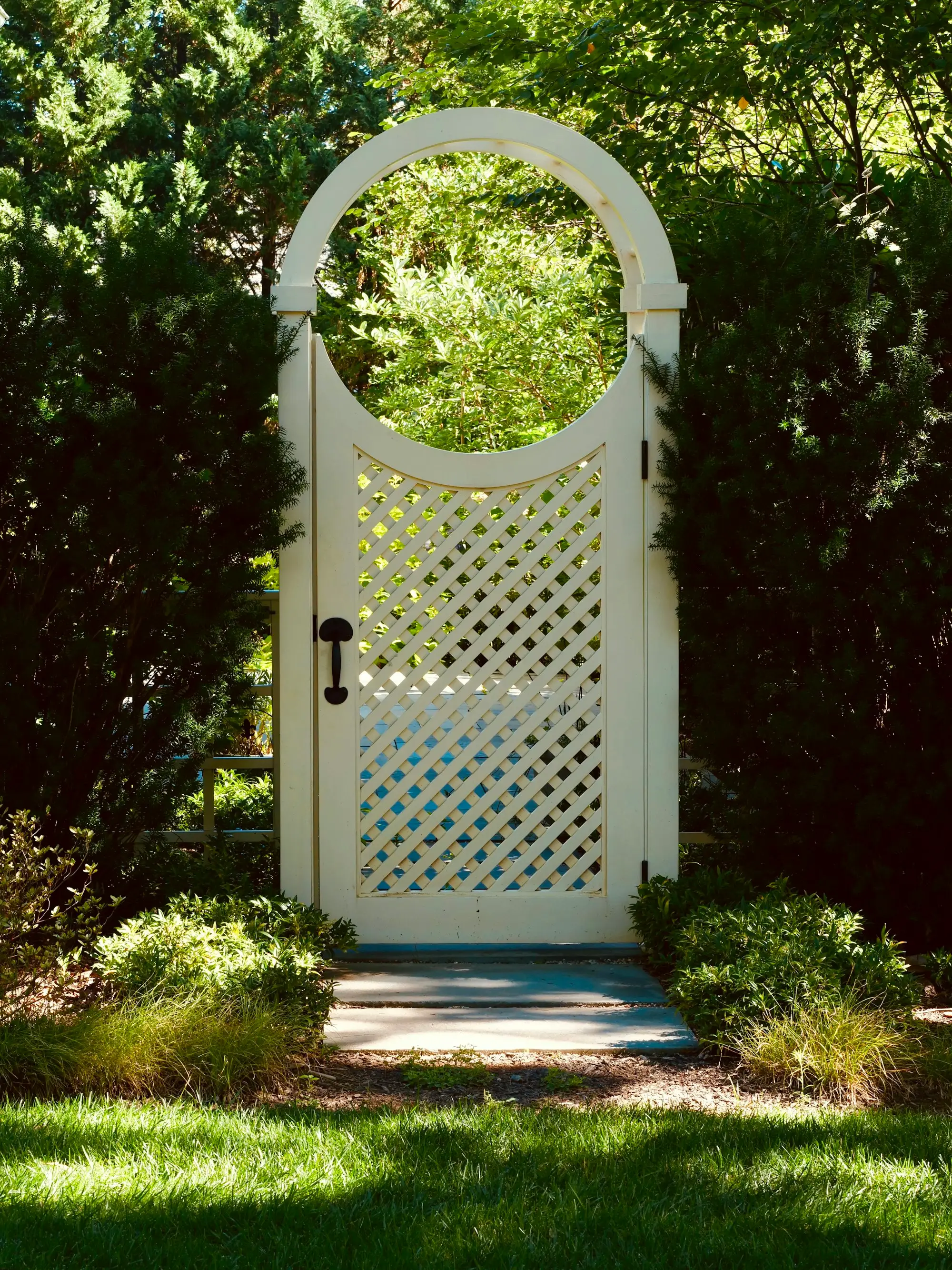
Whatever the material, the gate is the part that keeps the barrier working. We fit secure pool gates that swing away from the pool, close on their own, and latch out of a child's reach. Our pool fence basics guide explains what inspectors commonly look for.
Projects
Project examples
FAQ
Pool fencing FAQs
Pool barriers are commonly required to be at least 48 inches tall, with limits on gaps and footholds and self-closing, self-latching gates. Requirements can vary, so we confirm the details with your local construction office before installation.
Related services
Often planned together.
Schedule a fence installation consultation
Share a few details and we will arrange a time to see the property. The more you tell us, the more useful our first visit will be.
What happens next
- 1We review your request and contact you to schedule a visit.
- 2We inspect, measure, and talk through your options on site.
- 3You receive a written estimate with scope, materials, and timing.