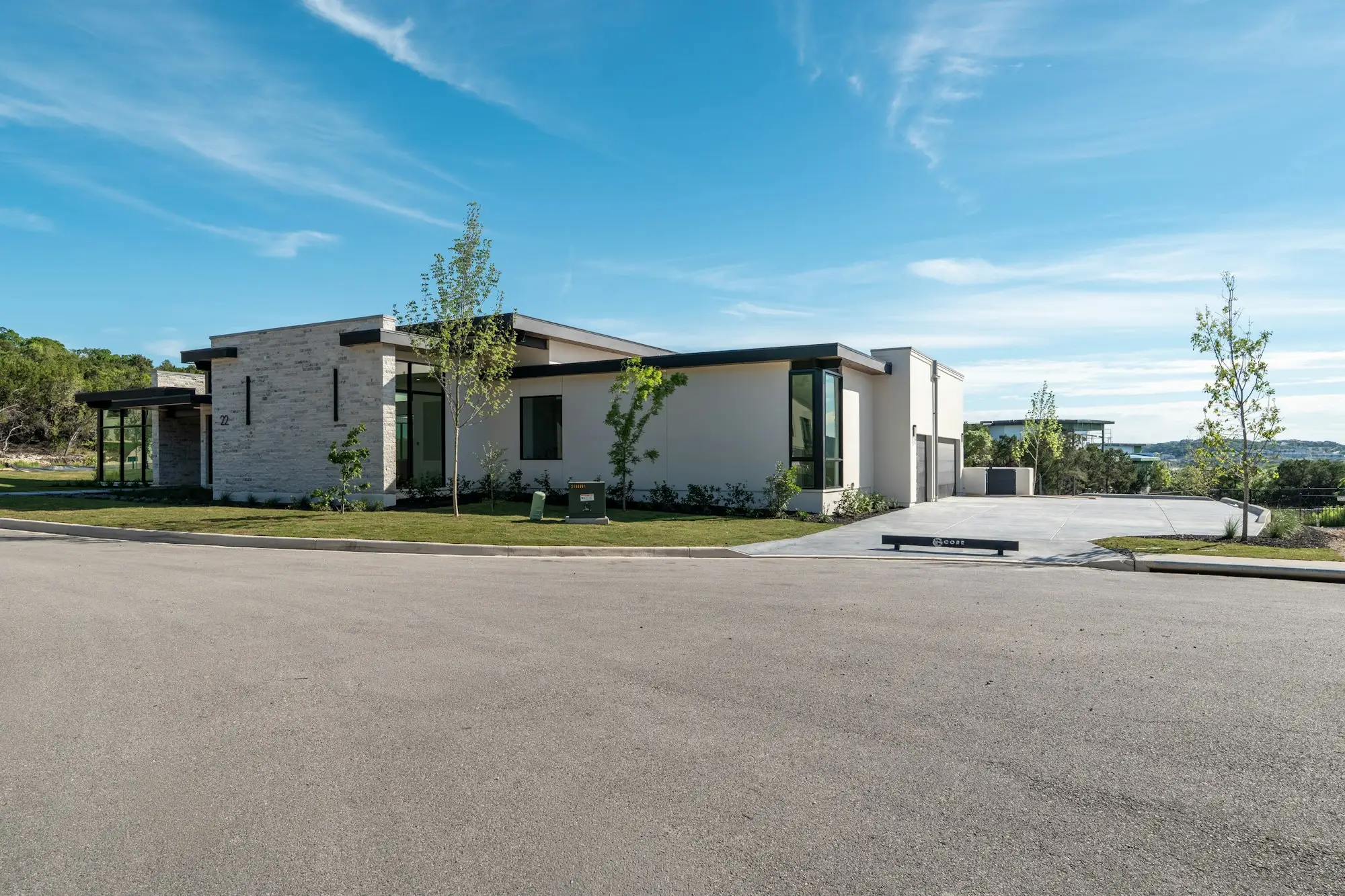
Flat roofs need different rules.
Residential Flat Roofing Services in Northern NJ
Flat roofing systems for homes
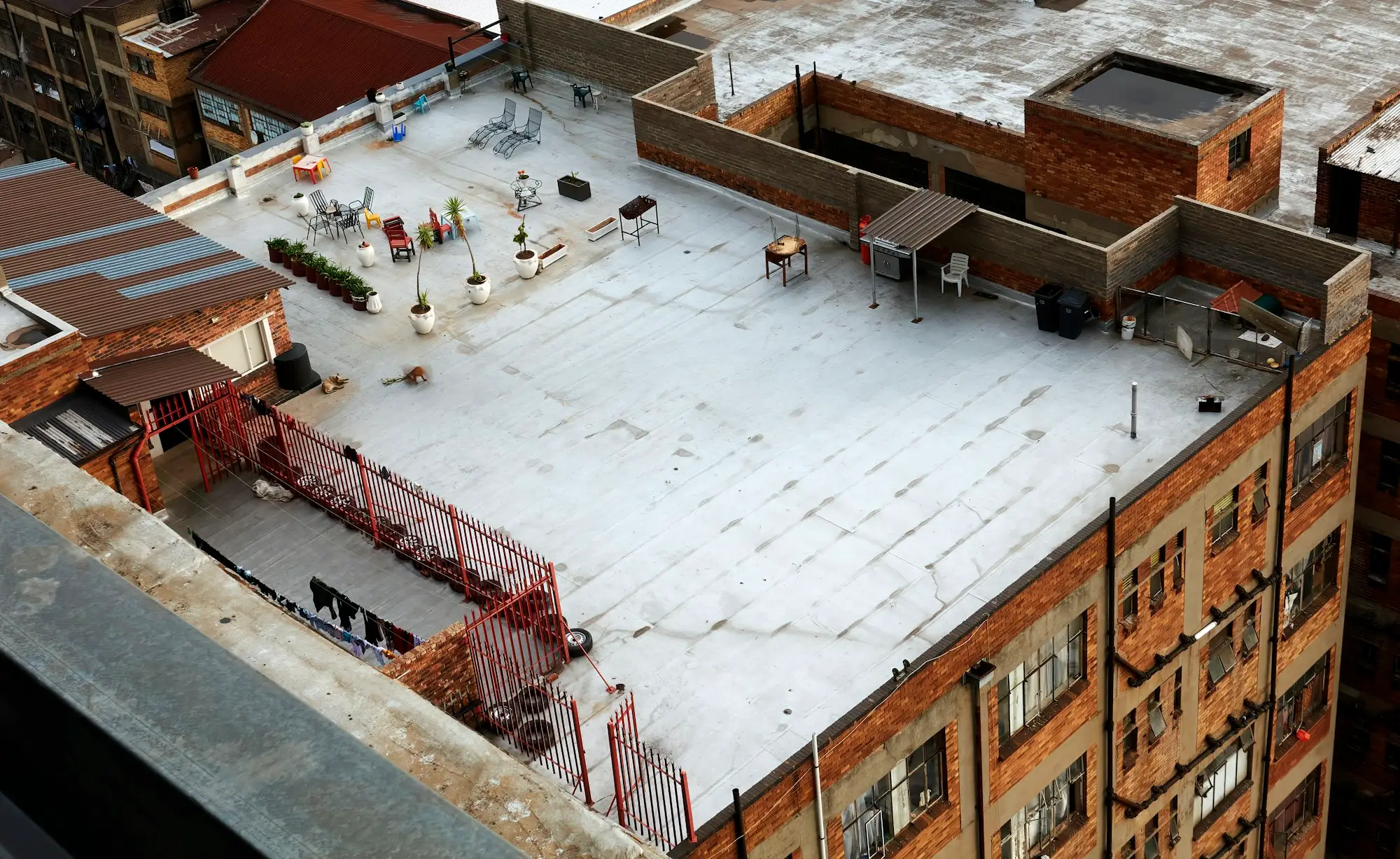
Low-slope sections — over a porch, a sunroom, a rear addition, or an entire townhouse — cannot shed water the way a pitched roof does. They rely on a continuous membrane, carefully detailed edges, and enough slope toward a drain or scupper that water never sits for long.
We replace tired roll roofing and patched tar with single-ply membranes designed for low-slope work, and we pay special attention to the places where a flat roof meets a wall or a pitched roof. Those transitions are where most flat-roof leaks begin.
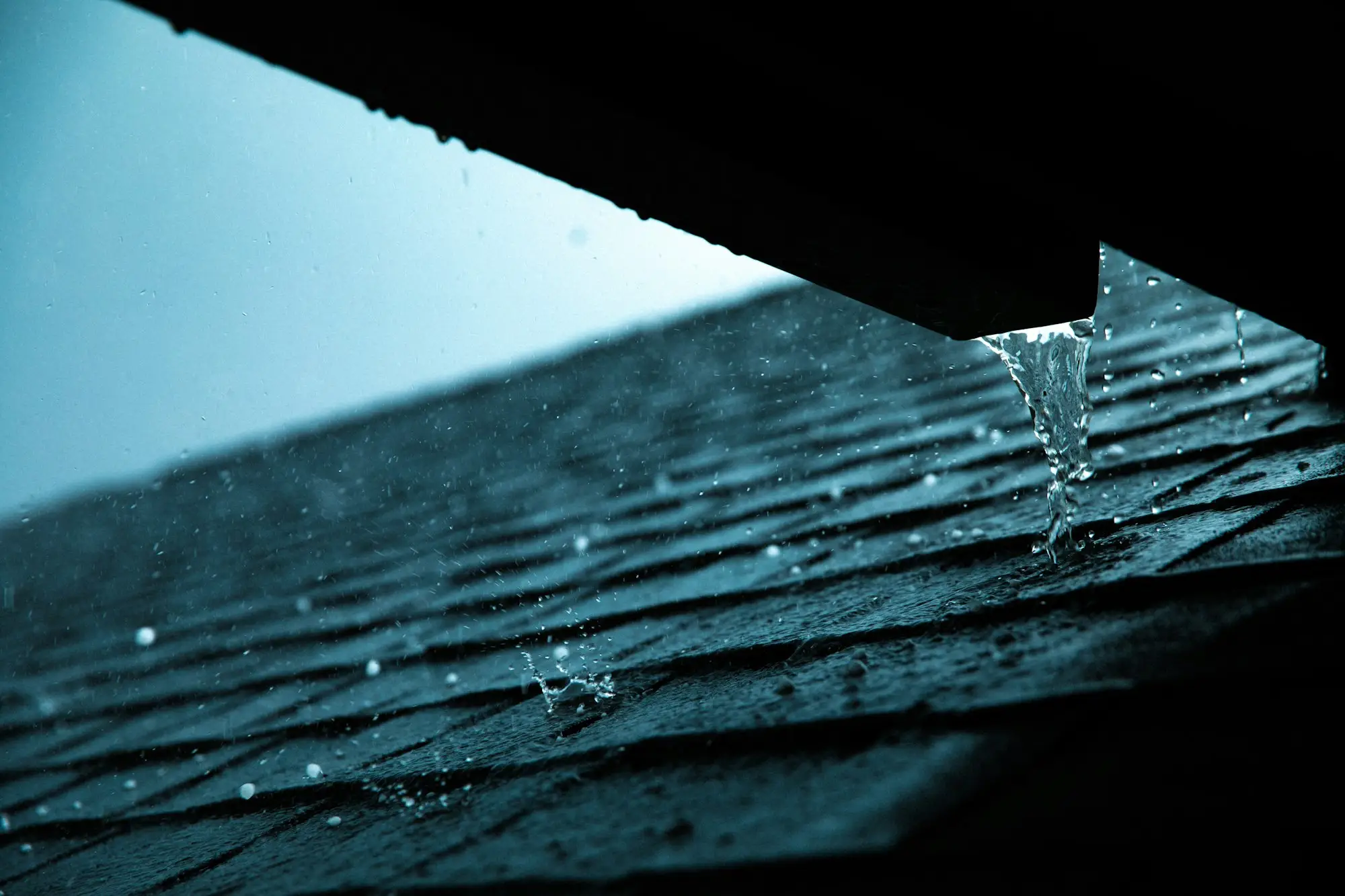
What's included
Flat roof installation
Membrane systems
EPDM or TPO, selected for the roof's size, exposure, and how often it will see foot traffic.
Tapered insulation
Where water ponds, tapered boards can add slope toward drains without reframing.
Edge and wall details
Metal drip edge, termination bars, and counter-flashing at walls and transitions.
Drains and scuppers
Cleared, re-flashed, or added so water has a clear path off the roof.
Before you decide
Common flat roof problems
Ponding water
Water still sitting 48 hours after rain is a sign of insufficient slope or a sagging deck.
Blistering or cracking
Bubbles and alligatored surfaces on older roll roofing mean the membrane has failed.
Planning a deck above
If you want to walk on it, tell us early — it changes the membrane and protection we specify.
Flat roof maintenance
A low-slope roof rewards a little attention. Check it twice a year and after major storms: clear leaves from drains and scuppers, look for standing water two days after rain, and watch for lifted seams or cracked caulk where the membrane meets a wall.
Keep foot traffic to a minimum unless the roof was designed for it, and never place furniture or planters directly on the membrane. Small issues caught early are simple repairs; ignored, they let water into the deck below.
Materials
Flat roofing materials
Compare the strengths, trade-offs and upkeep of the materials we use for residential flat roofing.
FAQ
Flat roofing FAQs
Both perform well on small residential roofs. EPDM is a forgiving rubber membrane with a long track record; TPO is a white, heat-welded membrane that reflects more sunlight. We recommend one based on your roof's exposure and details, and explain the trade-off on your estimate.
Related services
Often planned together.

Request a free roofing estimate
Share a few details and we will arrange a time to see the property. The more you tell us, the more useful our first visit will be.
What happens next
- 1We review your request and contact you to schedule a visit.
- 2We inspect, measure, and talk through your options on site.
- 3You receive a written estimate with scope, materials, and timing.